Test editor
- disablerFröhlichkeit😜Edit
- Text
- Style
- Pim Regular
- Pim Medium
- Pim Bold
- Pim Inline
- Features
- Superiors
- Bulgarian Cyrillic forms
- Inferiors
- Serbian Cyrillic forms
- Numerators
- Swashed basic uppercase letters
- Denominators
- Art Deco basic uppercase letters
- Fractions
- Alternate Cyrillic lowercase tse and shcha
- Dotted/slashed zero
- Circled figures 0–9
- Ordinals
- Negative circled figures 0–9
- Simple lowercase a
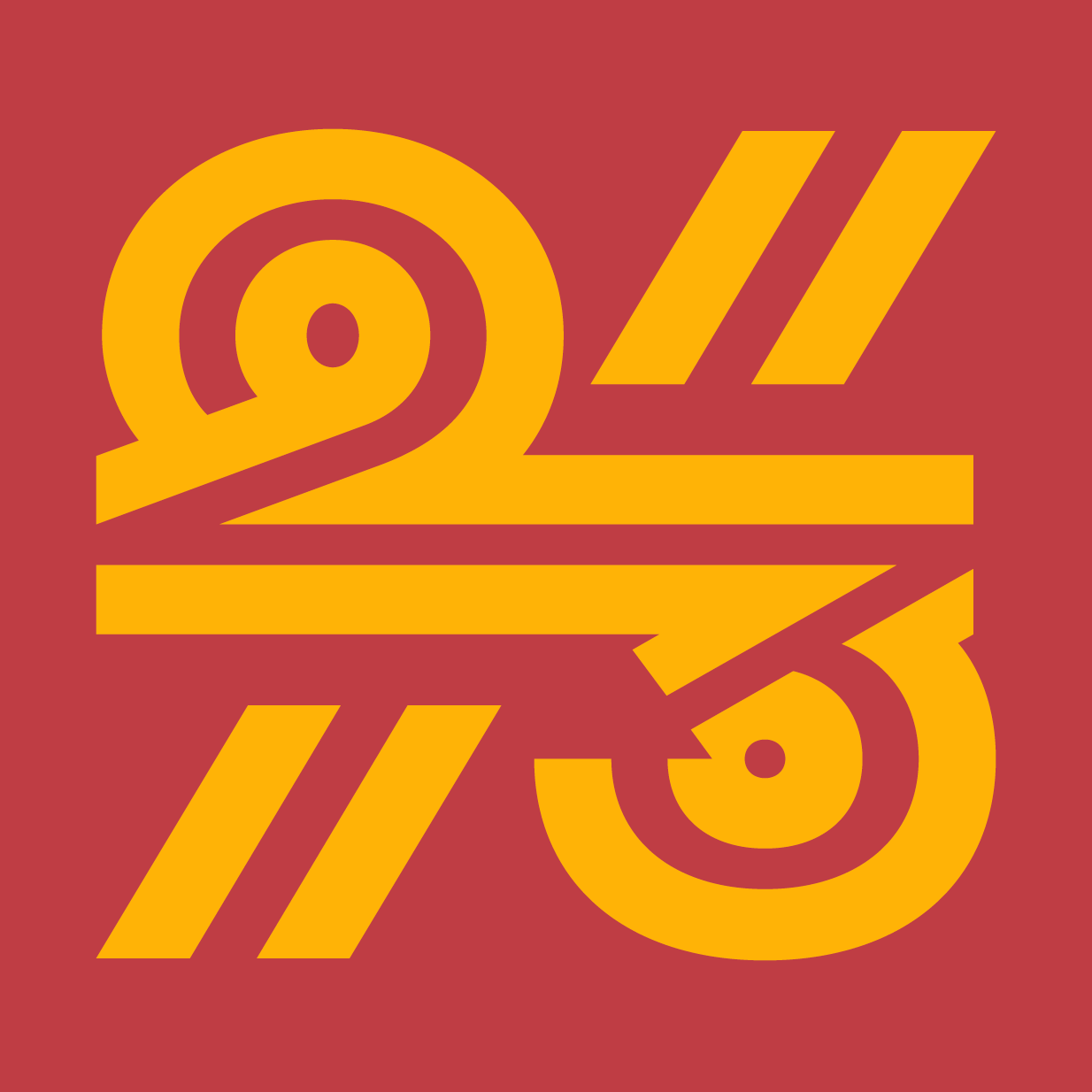
- Alternate numeral two
- Alternate Latin M and m
- Replace dieresis with eyes
- Alternate Q
- Alternate double slash
} -
- Size
- xx px
- Leading
- xx px
- Auto
- Tracking
- xx px
- Alignment
- Left
- Center
- Right
- Color
- RGB
- Background
- RGB
- disabler❽SkiffleEdit
- Text
- Style
- Pim Regular
- Pim Medium
- Pim Bold
- Pim Inline
- Features
- Superiors
- Bulgarian Cyrillic forms
- Inferiors
- Serbian Cyrillic forms
- Numerators
- Swashed basic uppercase letters
- Denominators
- Art Deco basic uppercase letters
- Fractions
- Alternate Cyrillic lowercase tse and shcha
- Dotted/slashed zero
- Circled figures 0–9
- Ordinals
- Negative circled figures 0–9
- Simple lowercase a
- Alternate numeral two
- Alternate Latin M and m
- Replace dieresis with eyes
- Alternate Q
- Alternate double slash
} -
- Size
- xx px
- Leading
- xx px
- Auto
- Tracking
- xx px
- Alignment
- Left
- Center
- Right
- Color
- RGB
- Background
- RGB
- disablerбарабанщикиEdit
- Text
- Style
- Pim Regular
- Pim Medium
- Pim Bold
- Pim Inline
- Features
- Superiors
- Bulgarian Cyrillic forms
- Inferiors
- Serbian Cyrillic forms
- Numerators
- Swashed basic uppercase letters
- Denominators
- Art Deco basic uppercase letters
- Fractions
- Alternate Cyrillic lowercase tse and shcha
- Dotted/slashed zero
- Circled figures 0–9
- Ordinals
- Negative circled figures 0–9
- Simple lowercase a
- Alternate numeral two
- Alternate Latin M and m
- Replace dieresis with eyes
- Alternate Q
- Alternate double slash
} -
- Size
- xx px
- Leading
- xx px
- Auto
- Tracking
- xx px
- Alignment
- Left
- Center
- Right
- Color
- RGB
- Background
- RGB
- disablerTHE ANALOGUE PIXELS‼︎Edit
- Text
- Style
- Pim Regular
- Pim Medium
- Pim Bold
- Pim Inline
- Features
- Superiors
- Bulgarian Cyrillic forms
- Inferiors
- Serbian Cyrillic forms
- Numerators
- Swashed basic uppercase letters
- Denominators
- Art Deco basic uppercase letters
- Fractions
- Alternate Cyrillic lowercase tse and shcha
- Dotted/slashed zero
- Circled figures 0–9
- Ordinals
- Negative circled figures 0–9
- Simple lowercase a
- Alternate numeral two
- Alternate Latin M and m
- Replace dieresis with eyes
- Alternate Q
- Alternate double slash
} -
- Size
- xx px
- Leading
- xx px
- Auto
- Tracking
- xx px
- Alignment
- Left
- Center
- Right
- Color
- RGB
- Background
- RGB
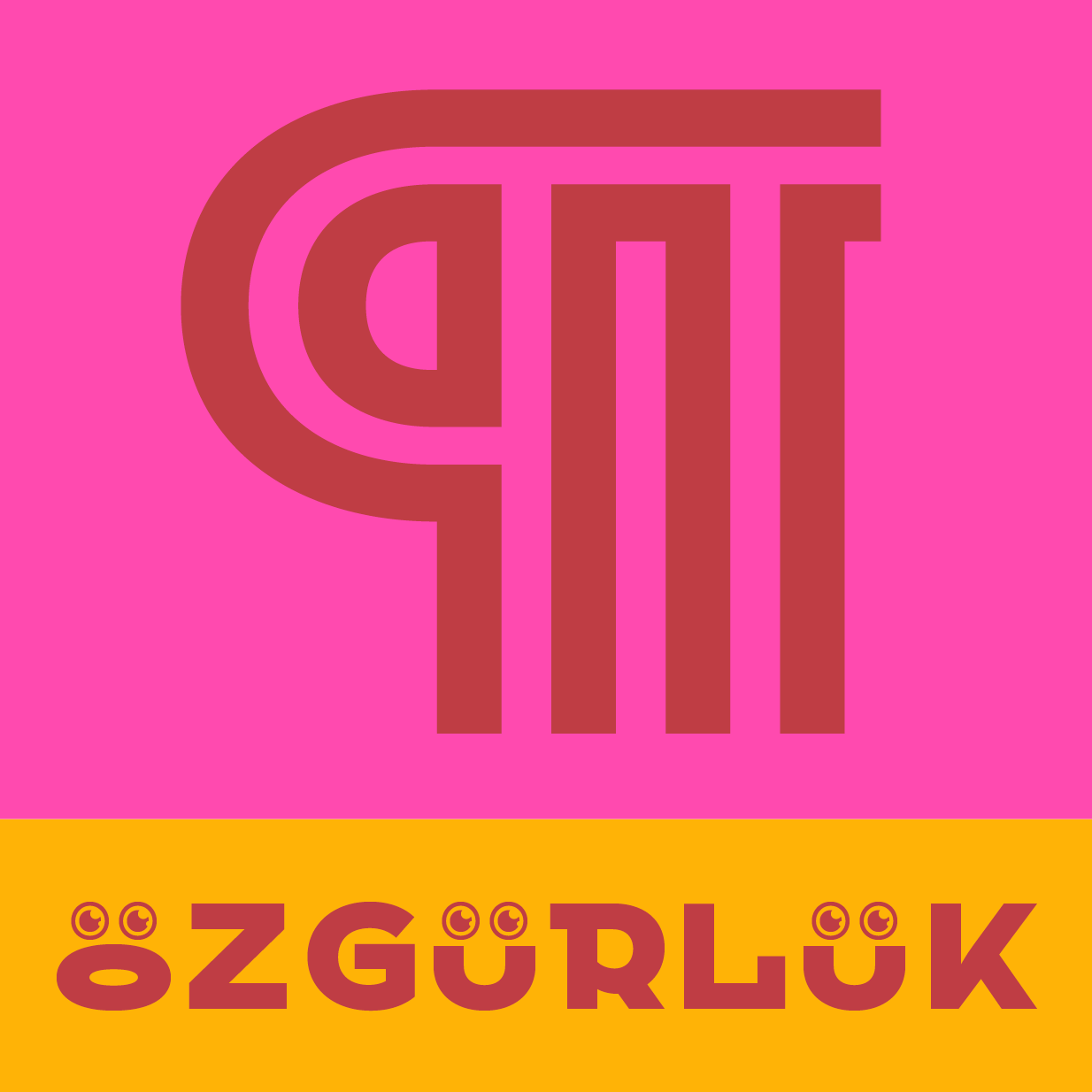
- disablerözgürlükEdit
- Text
- Style
- Pim Regular
- Pim Medium
- Pim Bold
- Pim Inline
- Features
- Superiors
- Bulgarian Cyrillic forms
- Inferiors
- Serbian Cyrillic forms
- Numerators
- Swashed basic uppercase letters
- Denominators
- Art Deco basic uppercase letters
- Fractions
- Alternate Cyrillic lowercase tse and shcha
- Dotted/slashed zero
- Circled figures 0–9
- Ordinals
- Negative circled figures 0–9
- Simple lowercase a
- Alternate numeral two
- Alternate Latin M and m
- Replace dieresis with eyes
- Alternate Q
- Alternate double slash
} -
- Size
- xx px
- Leading
- xx px
- Auto
- Tracking
- xx px
- Alignment
- Left
- Center
- Right
- Color
- RGB
- Background
- RGB
- disabler☞Careless Memories☜Edit
- Text
- Style
- Pim Regular
- Pim Medium
- Pim Bold
- Pim Inline
- Features
- Superiors
- Bulgarian Cyrillic forms
- Inferiors
- Serbian Cyrillic forms
- Numerators
- Swashed basic uppercase letters
- Denominators
- Art Deco basic uppercase letters
- Fractions
- Alternate Cyrillic lowercase tse and shcha
- Dotted/slashed zero
- Circled figures 0–9
- Ordinals
- Negative circled figures 0–9
- Simple lowercase a
- Alternate numeral two
- Alternate Latin M and m
- Replace dieresis with eyes
- Alternate Q
- Alternate double slash
} -
- Size
- xx px
- Leading
- xx px
- Auto
- Tracking
- xx px
- Alignment
- Left
- Center
- Right
- Color
- RGB
- Background
- RGB
- disabler
Мелодія
Edit- Text
- Style
- Pim Regular
- Pim Medium
- Pim Bold
- Pim Inline
- Features
- Superiors
- Bulgarian Cyrillic forms
- Inferiors
- Serbian Cyrillic forms
- Numerators
- Swashed basic uppercase letters
- Denominators
- Art Deco basic uppercase letters
- Fractions
- Alternate Cyrillic lowercase tse and shcha
- Dotted/slashed zero
- Circled figures 0–9
- Ordinals
- Negative circled figures 0–9
- Simple lowercase a
- Alternate numeral two
- Alternate Latin M and m
- Replace dieresis with eyes
- Alternate Q
- Alternate double slash
} -
- Size
- xx px
- Leading
- xx px
- Auto
- Tracking
- xx px
- Alignment
- Left
- Center
- Right
- Color
- RGB
- Background
- RGB









 Loading your cart